Exploring Colombia: A Journey Through Nature-Based Tourism and the Importance of a Trusted DMC
Updated: Aug 22, 2024
The Rise of Nature-Based Tourism
Colombia offers a wealth of natural beauty and biodiversity, making it an ideal destination for nature-based tourism. In recent years, the global tourism industry has witnessed a significant shift toward sustainable and nature-based experiences. As travelers become increasingly aware of environmental issues and the need to preserve our planet’s biodiversity, there is a growing interest in destinations that offer both natural beauty and eco-friendly practices.
Nature-based tourism, which focuses on exploring and appreciating the natural environment, has become a preferred choice for many travelers. This trend is especially pronounced in countries rich in biodiversity and natural landscapes, such as Colombia.
This blog will explore the intersection of tourism and nature-based solutions, highlighting Colombia as a premier destination for eco-conscious travelers. We will delve into Colombia's diverse ecosystems, unique wildlife, and sustainable tourism practices. Furthermore, we will discuss the critical role of a Destination Management Company (DMC), such as Ensifera Expeditions, in ensuring a seamless and responsible travel experience. With the right DMC, travelers can explore Colombia’s natural wonders while contributing to the preservation of its unique ecosystems.
Table of Contents
1 Exploring Colombia's Natural Wealth
The incredible variety of landscapes and ecosystems in Colombia provides ample opportunities for nature-based tourism. Whether it’s trekking through dense jungles, birdwatching in cloud forests, or diving in coral reefs, Colombia offers something for every nature enthusiast.
1.1 Colombia's Diverse Ecosystems

Colombia is often referred to as a "megadiverse" country due to its extraordinary variety of ecosystems and species. It is home to:
Tropical Rainforests: Including the Amazon Rainforest, which is one of the most biodiverse regions on the planet.
Andean Mountains: Offering high-altitude ecosystems, including páramos and cloud forests.
Coastal Ecosystems: With both the Pacific and Caribbean coastlines, Colombia boasts mangroves, coral reefs, and pristine beaches.
Tropical Dry Forests, Deserts and Savannahs: The Tatacoa Desert and the Llanos savannahs offer unique environments.
1.2 Unique Wildlife of Colombia
Primates de Colombia San Andres, Colombia Orchids blue-winged teaSpatula discors Desierto de la Tatacoa
Colombia’s biodiversity is not limited to its landscapes; it also extends to its wildlife. The country is home to:
Bird Species: Colombia has the highest number of bird species in the world, making it a birdwatcher’s paradise. The Andean Cock-of-the-rock, the Multicolored Tanager, and various hummingbirds are just a few examples.
Mammals: Including jaguars, sloths, pink river dolphins, and spectacled bears.
Amphibians and Reptiles: The country is also rich in amphibians and reptiles, with species like the poison dart frog and the Orinoco crocodile.
Marine Life: The Pacific and Caribbean coasts are teeming with marine life, including humpback whales, sea turtles, and vibrant coral species.
Plants: Colombia has the highest number of orchids and palm species in the world.
This abundance of wildlife makes Colombia an ideal destination for those looking to experience nature in its purest form.
2 Nature-Based Solutions (NbS) in Tourism
2.1 What Are Nature-Based Solutions?
Nature-based solutions (NbS) are strategies that harness the natural environment to address environmental, social, and economic challenges. In the context of tourism, NbS can include:
Ecotourism: Travel that focuses on the preservation of natural environments and the well-being of local communities.
Conservation Efforts: Initiatives that protect endangered species and ecosystems, often funded by tourism revenues.
Sustainable Practices: Implementing eco-friendly practices in tourism operations, such as reducing waste, conserving water, and using renewable energy.
By integrating NbS into tourism, destinations like Colombia can offer unique and sustainable experiences while ensuring the long-term preservation of their natural assets.
2.2 Exploring Colombia for Ecotourism

Colombia has made significant strides in promoting ecotourism as a means to protect its natural heritage. Some of the key initiatives include:
Protected Areas: Colombia has established numerous national parks and protected areas, such as Tayrona National Park, the Sierra Nevada de Santa Marta, and the Cocora Valley. These areas are not only crucial for biodiversity conservation but also offer visitors the chance to experience Colombia's natural beauty.
Community-Based Tourism: Many indigenous and rural communities in Colombia are involved in tourism projects that promote sustainable practices while providing economic benefits to the locals. This type of tourism allows travelers to learn about traditional cultures and contribute to the preservation of both cultural and natural heritage.
Wildlife Conservation Programs: Colombia is home to several conservation programs that focus on protecting endangered species. Tourists can participate in activities like turtle conservation on the Caribbean coast or support jaguar preservation efforts in the Amazon.
By choosing ecotourism in Colombia, travelers can enjoy unforgettable experiences while making a positive impact on the environment and local communities.
2.3 The Role of Sustainable Tourism
Sustainable tourism goes hand in hand with nature-based solutions. It emphasizes the need to minimize negative impacts on the environment, support local economies, and promote cultural exchange. In Colombia, sustainable tourism practices are being adopted across the industry, from luxury eco-lodges to grassroots community projects.
For instance, many hotels and lodges in Colombia have implemented sustainable practices such as:
Using renewable energy sources like solar power.
Water conservation measures, including rainwater harvesting and wastewater treatment.
Waste reduction initiatives, such as recycling programs and composting.
Supporting local artisans by using locally-sourced materials and products.
These efforts not only reduce the environmental footprint of tourism but also enhance the overall experience for visitors by connecting them more deeply with the destination.
3 Top Nature-Based Destinations in Colombia
3.1 Amazon Rainforest

The Colombian Amazon is one of the most biologically diverse regions in the world. Visitors can explore the dense jungles, spot rare wildlife, and learn about indigenous cultures that have lived in harmony with the environment for centuries. Popular activities include:
Guided jungle treks to discover the flora and fauna.
Boat tours on the Amazon River, where you can see pink river dolphins.
Visits to indigenous communities to learn about traditional ways of life.
The Amazon offers a truly immersive experience in one of the last remaining wilderness areas on Earth.
3.2 Sierra Nevada de Santa Marta

The Sierra Nevada de Santa Marta is the highest coastal mountain range in the world, with snow-capped peaks that rise dramatically from the Caribbean coast. This region is rich in biodiversity and cultural heritage, as it is home to several indigenous groups. Highlights include:
Trekking to the Lost City (Ciudad Perdida), an ancient archaeological site hidden deep in the jungle.
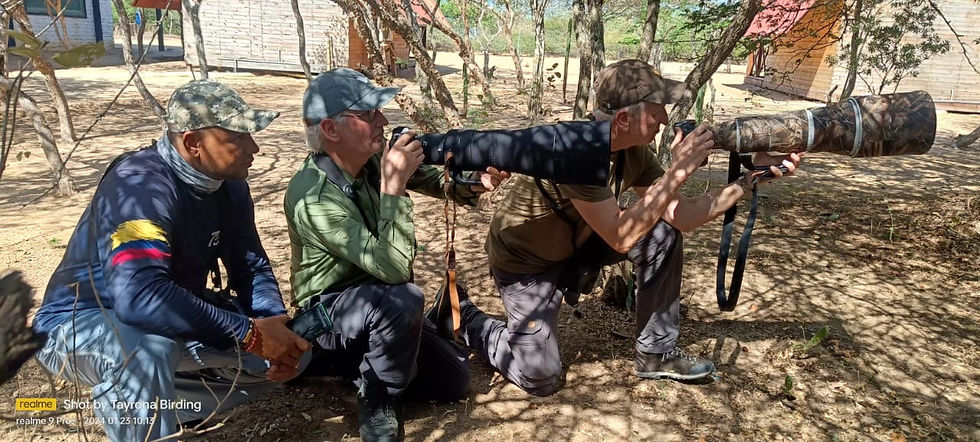
Birdwatching and Bird Photography, as the region is home to numerous endemic species.
Exploring Tayrona National Park, where the mountains meet the sea, offering stunning beaches and lush forests.
The Sierra Nevada de Santa Marta provides a unique combination of cultural and natural experiences that are hard to find elsewhere.
3.3 Caño Cristales

Caño Cristales, often referred to as the “River of Five Colors,” is a natural wonder located in the Serranía de la Macarena National Park. The river’s vibrant colors, which range from red to yellow to green, are caused by the aquatic plant Macarenia clavigera. Visiting Caño Cristales offers:
Hiking along the river, where you can see its spectacular colors.
Swimming in natural pools formed by the river’s currents.
Exploring the surrounding savannahs and forests, which are home to a variety of wildlife.
Caño Cristales is a must-see for nature lovers and photographers, offering one of the most unique landscapes in the world.
3.4 Pacific Coast
Colombia’s Pacific Coast is one of the most biodiverse regions on the planet, known for its lush rainforests, mangroves, and rich marine life. The area is famous for:
Whale watching, particularly humpback whales that migrate to the coast to breed.
Exploring the mangroves by canoe, where you can spot a variety of birds and other wildlife.
Diving and snorkeling in the coral reefs, or islands, which are home to an abundance of marine life.
The Pacific Coast offers a raw and untamed natural experience, perfect for adventurous travelers.
3.5 Coffee Cultural Landscape

The Coffee Cultural Landscape of Colombia, a UNESCO World Heritage site, offers a different kind of nature-based experience. This region is not only known for its coffee plantations but also for its stunning landscapes, which include rolling hills, waterfalls, and cloud forests. Key activities include:
Touring coffee farms, where you can learn about the coffee production process and taste some of the world’s best coffee.
Hiking in the Toche Valley, home to the towering wax palm, Colombia’s national tree.
Visiting small towns, such as Salento and Salamina, which offer charming colonial architecture and vibrant local cultures.
The Coffee Cultural Landscape provides a perfect blend of natural beauty and cultural heritage.
4 The Importance of a Trusted DMC in Nature-Based Tourism
4.1 What Is a Destination Management Company (DMC)?
A Destination Management Company (DMC) is a professional services company that specializes in organizing and managing travel logistics for tourists. A DMC’s responsibilities can include:
Tailoring travel itineraries to meet the specific needs and preferences of travelers.
Coordinating transportation, accommodations, and activities.
Ensuring compliance with environmental regulations and promoting sustainable practices.
Facilitating cultural exchange and ensuring respectful interaction with local communities.
For nature-based tourism, having Ensifera Expeditions as your trusted DMC is especially important. As a DMC, Ensifera Expeditions not only enhances the travel experience but also ensures that tourism is conducted in a way that minimizes environmental impact and benefits local communities.
4.2 Ensifera Expeditions for Your Colombian Adventure
When visiting a country as diverse and ecologically sensitive as Colombia, partnering with us can make all the difference. Here’s why:
Local Expertise: At Ensifera Expeditions we have in-depth knowledge of Colombia’s natural attractions and the best ways to experience them. We can guide you to hidden gems and ensure that your activities are both safe and sustainable.
Customized Itineraries: Whether you’re interested in birdwatching, trekking, or cultural experiences, Ensifera Expeditions can create a tailor-made itinerary that aligns with your interests and conservation principles.
Sustainability Practices: We prioritize eco-friendly practices, such as reducing waste, using local guides, and supporting conservation projects. We will ensure that your travel experience contributes positively to the environment.
Safety and Security: Colombia is a country with diverse landscapes and varying levels of infrastructure. Travelling with Ensifera Expeditions will ensure that your travel arrangements are secure and that you have access to reliable transportation and accommodations.
Cultural Sensitivity: Interacting with indigenous communities and local cultures requires respect and understanding. We facilitate these interactions in a way that is respectful and beneficial for all parties involved.
By choosing Ensifera Expeditions, you can explore Colombia’s natural wonders with confidence, knowing that your trip is both enriching and responsible.
5 The Future of Nature-Based Tourism in Colombia
5.1 Opportunities and Challenges
Colombia is poised to become a leading destination for nature-based tourism. The country’s rich biodiversity, combined with growing international interest in sustainable travel, presents significant opportunities. However, there are also challenges to be addressed that you should know:
Balancing Tourism and Conservation: As tourism grows, it is essential to ensure that it does not harm the very environments that attract visitors. In Colombia, this still requires careful planning, regulation, and ongoing monitoring.
Community Involvement: Engaging local communities in tourism initiatives is crucial. Ensuring that they benefit economically and culturally from tourism will foster long-term sustainability. Every day more and more communities are getting involved and prepared to receive tourism in a sustainable way.
Infrastructure Development: While Colombia has made significant strides in developing its tourism infrastructure, there is still work to be done in improving roads, a more diverse air companies, infrastructure for inclusion and accessibility and ensuring that tourism facilities meet environmental standards.
Conclusion: Embrace Nature-Based Tourism in Colombia
Colombia offers a wealth of natural beauty and biodiversity, making it an ideal destination for nature-based tourism. By choosing eco-friendly travel options and partnering with a DMC, such as Ensifera Expeditions, you can experience Colombia’s wonders while contributing to the preservation of its unique ecosystems. As the tourism industry continues to evolve, it is essential to embrace nature-based solutions that protect the environment and support local communities. In doing so, we can ensure that future generations can enjoy the same breathtaking landscapes and wildlife that make Colombia such a special place.
In summary, Colombia is a treasure trove of natural wonders, waiting to be explored. Whether you’re an avid birdwatcher, a trekking enthusiast, or simply someone who appreciates the beauty of nature, Colombia has something to offer. By embracing nature-based tourism and working with us, you can embark on a journey that is not only unforgettable but also responsible. So pack your bags and get ready to discover the magic of Colombia!