Tourism: Colombia's Wealth is its Natural and Cultural Heritage
There are several criteria for determining heritage, the best known of which are those of UNESCO. According to UNESCO, to be inscribed on the World Heritage List, a site must "possess remarkable natural phenomena, represent one of the major stages of Earth's history, display significant ecological and biological principles, or contain important natural environments". This list currently includes a total of 213 natural and 39 mixed sites, including Los Katios National Park, Malpelo Flora and Fauna Sanctuary and Colombia's Chiribiquete National Park. The World Heritage Convention seeks to protect the planet's most important natural resources, but only 10% of the planet's natural heritage falls under this category.
Heritage is conceived as a social construct, and therefore its valuation is subject to subjective social, spatial and temporal appreciations (Estrada & Álvarez, 2020). Heritage is often seriously threatened in that its value is prioritized for economic advantage, rather than for its symbolic, scientific or social value. For this reason, heritage assets must be managed in a sustainable manner, where the environment, the economy and society have a balanced role.

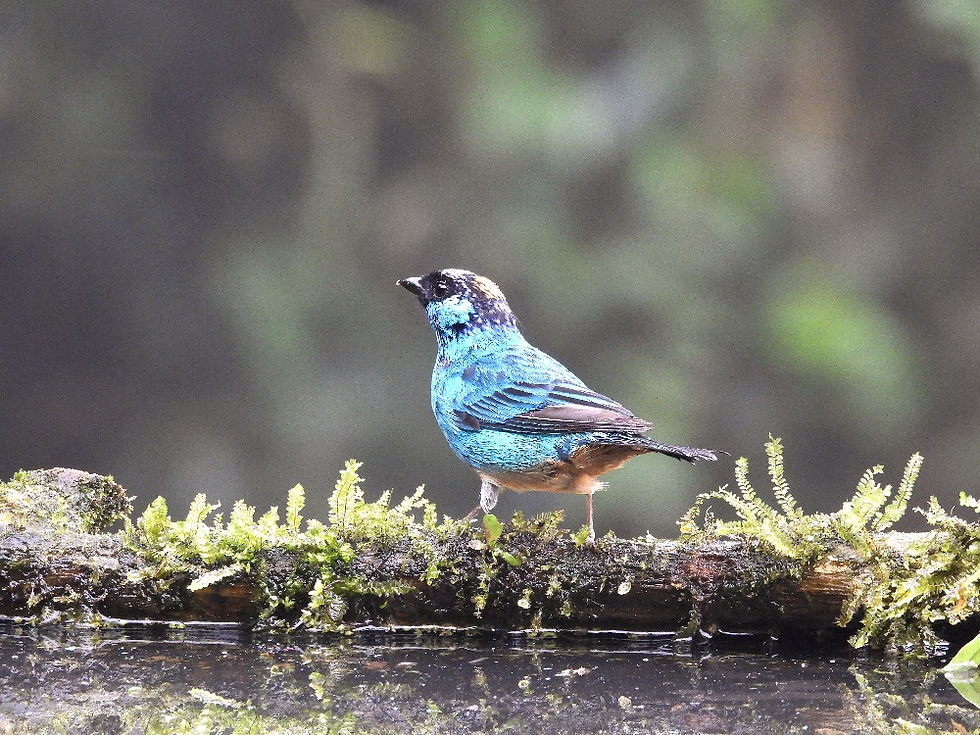
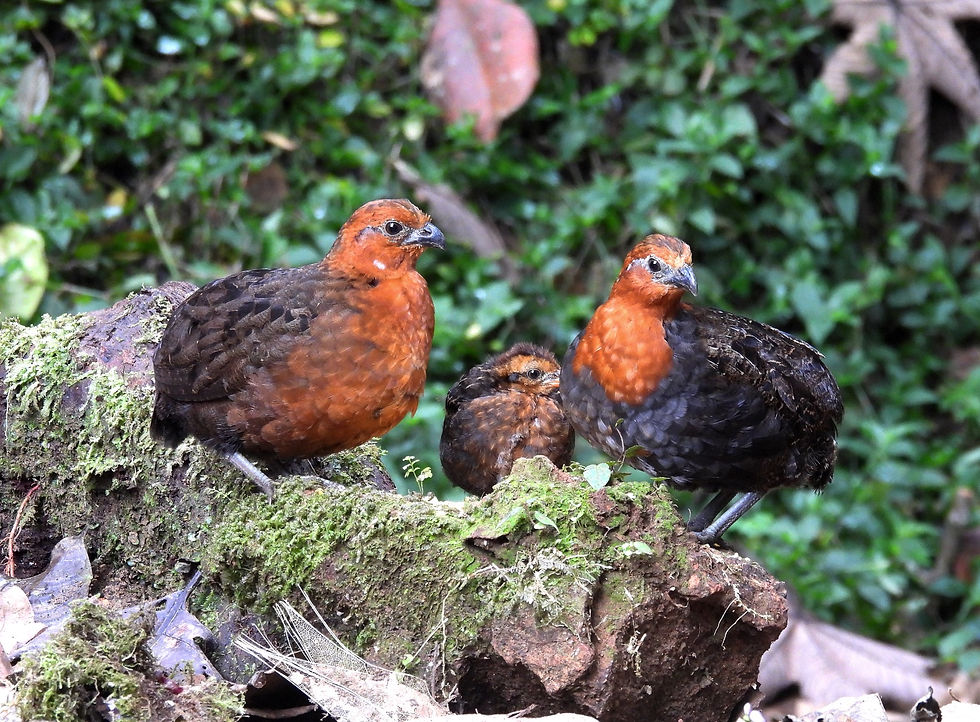
Colombia's natural heritage is immense. With some 2,900 kilometers of coastline on two oceans, high Andean mountain ranges, 98 ecosystems, and more than 1,300 protected areas, Colombia is the second most biodiverse country in the world. It ranks first in bird and orchid species, second in plants, amphibians, butterflies and freshwater fish, third in palm and reptile species, and fourth in mammals. In addition to the large number of species, Colombia has several unique species in each group, including more than 1460 species of orchids and 79 species of endemic birds.
Despite this, there are several direct and indirect causes that influence the loss of biodiversity in Colombia and in some cases irreversibly. Against this backdrop, sustainable tourism is presented as a strategy for the preservation, valuation and recognition of Colombia's natural heritage.
Tourism Competitiveness and Colombia's Natural Wealth
The 1991 Political Constitution establishes that it is the obligation of the State and of individuals to protect the cultural and natural wealth of the Nation (Art. 8), the right of Colombians to have a healthy environment (Art. 79) and sustainable development as the model that guides economic growth, the improvement of the quality of life and the social well-being of the Nation. This has led to the main rules in force that regulate key aspects of biodiversity management and national environmental institutions, such as the National Policy for the Integrated Management of Biodiversity and its Ecosystem Services (PNGIBSE), which seeks to comply with: conservation and care of nature, governance and creation of public value, economic development and quality of life, knowledge management, technology and information, risk management and provision of ecosystem services, and co-responsibility and global commitments.
Economic growth and development can be measured through competitiveness. In the context of tourism destinations, it evaluates the function of the attractiveness of the destination, its management, organization, information and efficiency (Serrano et al. 2021). Improving competitiveness activates and dynamizes the economy, guaranteeing a better quality of life for the communities (Serrano et al. 2021). In Colombia, the competitiveness policy is found in the 2008 document of the National Council for Economic and Social Policy (CONPES 3527), in which environmental sustainability plays an important role as a factor in competitiveness.
Travel & Tourism Competitiveness Index
The World Economic Forum publishes every two years the Travel & Tourism Competitiveness Report and Index, which evaluates the travel and tourism competitiveness of 140 economies and measures the set of factors and policies that enable the sustainable development of the travel and tourism (T&T) sector, which in turn contributes to the development and competitiveness of a country. In the 2019 report, Colombia ranked 55th in the world ranking and 5th in South America region. It also ranked 19th in the Natural and Cultural Resources and Natural Resources Pillar, where it stands out for its diversity of species, total protected areas, number of World Heritage Sites, digital demand for nature tourism, and level of attractiveness of natural assets. It also ranked 5th in terms of openness to foreigners and 29th in price competitiveness.
There is still much room for improvement, but this points to the fact that Colombia has all the potential and natural resources necessary to easily position itself as a global nature tourism destination.
Sustainable Tourism Policy
Before the pandemic caused by SARS-CoV-2, Colombia had achieved in 2019 a historic growth of 2.7% in the number of foreign visitors compared to 2018, and the largest ever recorded in the country. Expectations for 2020 were very high, and the national government projected to position Colombia as the most attractive destination in the region. The pandemic has pushed all these figures into oblivion, and today tourism is one of the most economically affected sectors in the country. However, 2020 served to make great strides in public policy and education.
In December 2020 the first sustainability policy for tourism in Colombia was launched. The Ministry of Commerce, Industry and Tourism launched this sustainable tourism policy under the name "United by nature". This policy seeks to position sustainability as a fundamental pillar for the development of tourism in Colombia through a strategic plan for 2030 called the Sustainable Tourism Roadmap. The plan is composed of six strategies, 14 programs, 32 projects and 140 policy actions, and its plan objectives focus on the following guidelines:
Reduction of greenhouse gas emissions.
Efficient energy management and investment in renewable and non-conventional energy sources.
Responsible management of solid waste.
Saving and efficient use of water.
Adequate wastewater treatment.
Protection of the country's biodiversity and ecosystems.
In relation to education and the promotion of tourism culture, the first guidebook for nature tourism in Colombia was launched by ProColombia, with the support of USAID's Natural Wealth Program, the Humboldt Institute, and the Wildlife Conservation Society (WCS). The guide is called "Contemplation, Understanding, Conservation: An Illustrated Manual for Nature Tourism Guides in Colombia," and will be a tool for the country to take advantage of its potential as an international destination with sustainable and responsible practices.

Sustainability in community-based tourism
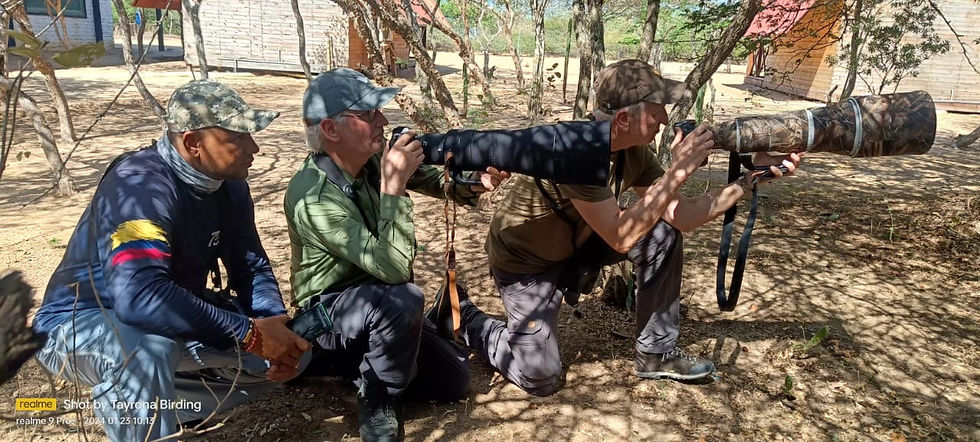
Tourism has played a positive role in building peace in Colombia. It offers people the possibility to work and generate income, and is also an opportunity for reconciliation. The Colombian government and the tourism industry have played an active role in supporting communities throughout the country with the development of community-based tourism projects.
The great advantages of community-based tourism are that it generates opportunities outside the big cities. Economic income goes directly to the local lodging, to the local transporter, to the people who carry out the daily activities, such as traditional cooking workshops, or traditional fishing activities, artisans, local guides, baquianos, etc. On the other hand, for many rural communities around the world, tourism is an important generator of employment and opportunities, especially for women and youth, helping to reduce the inequality gap.
In some places in Colombia, tourism also presents itself as one of the few legal and viable economic activities, and allows rural communities to celebrate their cultural heritage and unique traditions, as well as to recover their identity, self-esteem and recognize their own intrinsic value.
Tourism thus helps preserve the cultural and natural heritage of rural communities, indigenous peoples and many other historically marginalized populations around the world.
Community-based tourism is also a vital sector for safeguarding habitats and endangered species, where communities become agents of change and conservation by learning to engage in responsible, differentiated and environmentally friendly tourism, while maintaining the natural integrity of their territories, as this is the primary input for the development of this activity.
Sources: MADS, IDEAM, IAvH, INVEMAR, IIAP, SINCHI, PNN, IGAC 2015. Map of continental, coastal and marine ecosystems of Colombia version 1.0 at scale 1:100.000.